
Teach English In Japan
Ancient tradition, futuristic cities, and a TEFL career built on respect, structure and long-term growth.
Why japan
Japan has always held a special place in the TEFL world. It is a country where ancient traditions sit comfortably beside futuristic cities, where politeness and respect shape everyday interactions, and where education is taken seriously at every level.
For English teachers, Japan offers a rare combination of professionalism, cultural richness and long‑term career potential. Whether you are a newly qualified TEFL teacher or someone with years of classroom experience, Japan provides an environment where you can grow, develop and enjoy a high quality of life.
Teaching English in Japan is not just a job. It is a lifestyle choice, a cultural immersion and, for many teachers, a transformative experience. This guide explores everything you need to know before making the move, from job types and salaries to visas, culture and daily life.
Japan at a Glance
Popular Roles
ALT · Eikaiwa · International School
Typical salary
Degree required
Yes (Bachelor’s)
TEFL required
Recommended
Visa type
Japan Is a Leading TEFL Destination
While many TEFL markets fluctuate depending on economic conditions, Japan’s demand for English teachers remains strong year after year. Schools value professionalism, punctuality and long‑term commitment, which means teachers who appreciate structure and clear expectations thrive there.
Beyond the classroom, Japan offers one of the safest environments in the world. Public transport is efficient and punctual, cities are clean and well‑organised, and the food culture is exceptional. Teachers often describe Japan as a place where everyday life feels calm, respectful and orderly. For many, this sense of stability is one of the biggest attractions.
Professional Structure
Schools value professionalism, punctuality and long-term commitment.
One of the Safest Countries
Efficient, punctual public transport and clean, well-organised cities.
Exceptional Food & Culture
Everyday life that feels calm, respectful and orderly.
Types of Teaching Jobs in Japan
Japan’s TEFL market is diverse, and the type of job you choose will shape your daily routine, salary and teaching experience.
One of the most common roles is the ALT position, which stands for Assistant Language Teacher. ALTs work in public elementary, junior high or high schools, usually supporting Japanese teachers in delivering English lessons. These roles are often arranged through large organisations such as Interac or the JET Programme. ALT positions offer structured schedules, long holidays and predictable workloads, making them ideal for teachers who prefer routine.
Another popular option is teaching in an Eikaiwa, which is a private language school. Eikaiwa schools offer conversational English classes to children, teenagers and adults. These roles tend to pay slightly more than ALT positions. Many teachers enjoy the variety and the opportunity to work with different age groups. Evening and weekend work is common in Eikaiwa schools, as lessons are scheduled around students’ availability.
Japan’s private language school sector is shaped by a number of well‑established Eikaiwa providers that play a significant role in the TEFL landscape. AEON is one of the largest and most established, offering extensive training and structured curriculums that give new teachers confidence and support. ECC provides a blend of adult and children’s classes, creating a varied teaching environment that appeals to teachers who enjoy working with different learner types. Gaba operates differently from traditional schools, using a one to one, ticket-based system that allows instructors flexible scheduling and a more personalised teaching style.
Japan also has a strong network of international schools. These schools follow international curricula and offer excellent salaries, benefits and professional development opportunities. They are ideal for teachers with higher qualifications or experience. The workload is heavier, and the hiring process is more competitive, but the professional environment is exceptional.
Finally, university positions exist for teachers with advanced qualifications. These roles offer prestige, excellent pay and flexible schedules, but they are highly competitive and usually require a master’s degree or higher.
Public Schools
ALT
Assistant Language Teacher — via Interac or the JET Programme.
£1,500 – £1,800 / month
Private Language School
Eikaiwa
AEON · ECC · Gaba and other well-established providers.
£1,700 – £2,000+ / month
International Curriculum
International Schools
Excellent salaries, benefits and professional development.
Higher salary bracket
Higher Education
University Positions
Prestige, excellent pay and flexible schedules.
Higher salary bracket
Well-Established Eikaiwa Providers
COMPENSATION
Salary and Benefits for Teachers in Japan
Japan offers some of the most reliable salaries in Asia. ALT positions typically pay between £1,500 and £1,800 per month, while Eikaiwa schools often offer between £1,700 and £2,000 or more. International schools and universities pay significantly higher, sometimes reaching £3,500 or even £4,000 per month.
Benefits vary depending on the employer, but many teachers receive health insurance, pension contributions, paid holidays and contract completion bonuses. Some schools offer housing allowances or help teachers find accommodation. Japan’s cost of living is higher than other Asian countries, but salaries are designed to match it, and teachers in smaller cities often save more due to lower rent and daily expenses.
ALT Positions
£1,500–£1,800
per month
Eikaiwa Schools
£1,700–£2,000+
per month
Int'l Schools & Universities
£3,500–£4,000
per month
- Health insurance & pension contributions
- Contract completion bonuses
- Higher savings potential in smaller cities
- Paid holidays
- Housing allowances or accommodation support
- Salaries scaled to match cost of living
Budgeting
Cost of Living in Japan
The cost of living in Japan depends heavily on where you choose to live. Tokyo and Osaka are vibrant, exciting and full of opportunities, but they are also more expensive. Rent is higher, transport costs add up quickly and entertainment options can tempt you into spending more.
Smaller cities and rural areas offer a quieter lifestyle and significantly lower living costs. Rent is cheaper, food is more affordable and daily life feels more relaxed. Many teachers find that they can live comfortably and save money, especially if they avoid the most expensive neighbourhoods.
A typical monthly budget might include rent between £400 and £800, food around £200 to £300, transport between £50 and £100, utilities around £70 to £120 and entertainment between £100 and £200. Most teachers find that they can enjoy a good standard of living without financial stress.
Typical Monthly Budget
Rent
Food
Transport
Utilities
Entertainment
PAPERWORK
Visa Requirements for Teaching in Japan
Japan has clear and structured visa requirements. To teach legally, you will need a work visa, usually under the “Instructor” or “Specialist in Humanities” category. A bachelor’s degree is mandatory for visa approval, and while a TEFL certificate is not legally required, it is strongly recommended and often preferred by employers.
Many reputable schools now prefer teachers who hold a Level 5 TEFL qualification, as it reflects a higher standard of training and strengthens your competitiveness in Japan’s teaching market.
You will also need a clean criminal background check, a valid passport and sponsorship from a Japanese employer. Schools typically guide teachers through the visa process, making it straightforward once you have secured a job offer.
Work visa — “Instructor” or “Specialist in Humanities” category
Bachelor’s degree (mandatory)
TEFL certificate (recommended, often preferred)
Clean criminal background check
Valid passport
Sponsorship from a Japanese employer
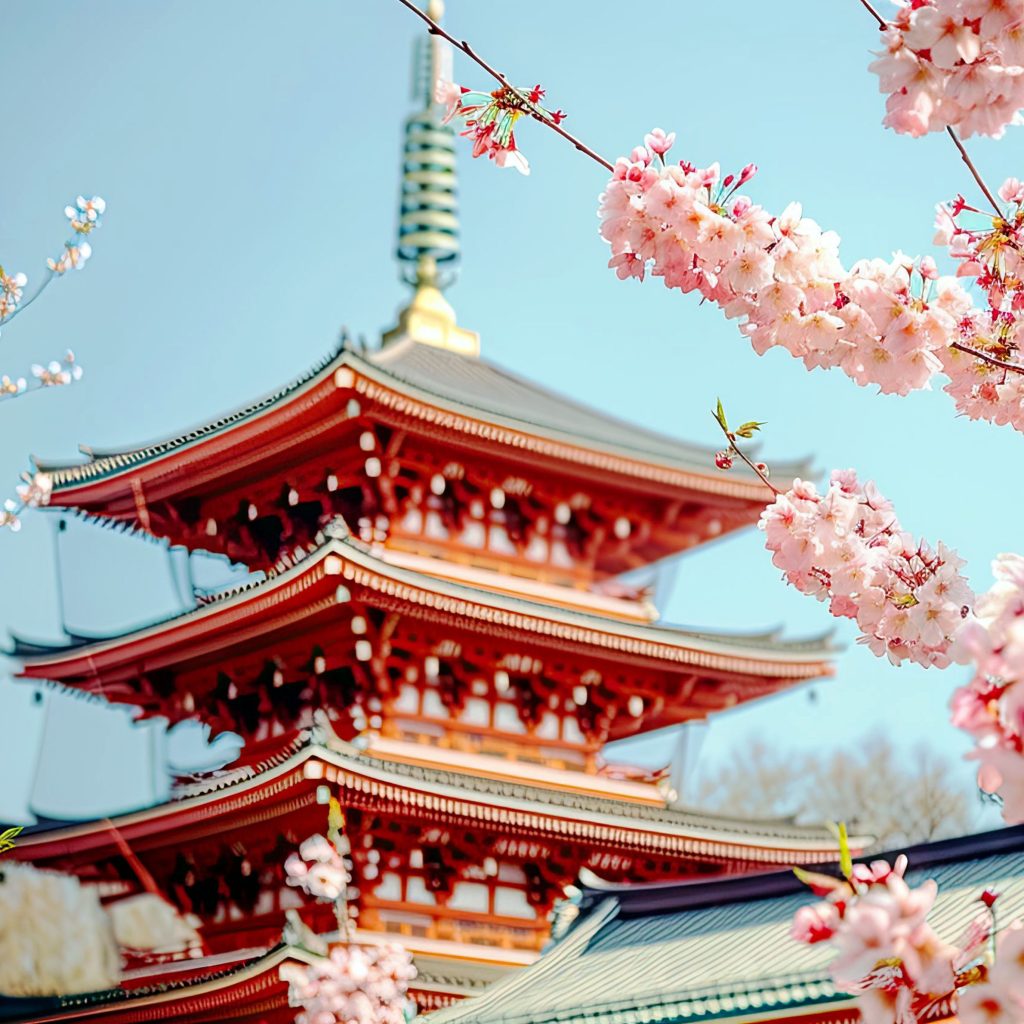
Life Outside the Classroom
Lifestyle and Culture in Japan
Japan offers one of the most unique cultural experiences in the world. Teachers often fall in love with the country’s blend of tradition and modernity. Public transport is fast and reliable, food is diverse and delicious, and cultural experiences are everywhere — from temples and festivals to tea ceremonies and traditional arts.
Work culture in Japan values politeness, respect and professionalism. Teachers are expected to be punctual, prepared and presentable. This structure appeals to educators who appreciate clear expectations and a well‑defined role.
Nature is also a huge part of Japanese life. Mountains, forests, beaches and hot springs are easily accessible, and many teachers spend weekends exploring the countryside or visiting nearby cities.
A Truly Rewarding TEFL Destination
Teaching English in Japan offers a unique blend of cultural richness and professional growth. With strong demand for teachers, competitive salaries and a lifestyle that balances tradition with modern convenience, Japan remains one of the most attractive TEFL destinations globally.
Whether you dream of exploring Tokyo’s neon streets, relaxing in rural hot springs or immersing yourself in Japanese culture, teaching in Japan opens the door to a life‑changing experience.