Teach English in South Korea
One of the most dynamic and rewarding destinations in the TEFL world — modern city life blended seamlessly with deep cultural traditions.
Why South Korea
South Korea has become one of the most dynamic and rewarding destinations in the TEFL world. It is a country where modern city life blends seamlessly with deep cultural traditions, where education is highly valued, and where English teachers are welcomed with enthusiasm and respect.
For many teachers, South Korea offers the perfect balance of professional stability, financial benefits and cultural immersion. Whether you are newly qualified or an experienced educator, South Korea provides an environment where you can grow, save money and enjoy a vibrant lifestyle.
This sense of stability allows educators to settle quickly, focus on their teaching, and build confidence while enjoying a secure and well‑balanced life abroad.
South Korea at a Glance
Popular Roles
Typical salary
Degree required
Yes (Bachelor’s)
TEFL required
Visa type
Why South Korea Is a Leading TEFL Destination
South Korea stands out because of its strong commitment to education and its consistent demand for English teachers. The country invests heavily in language learning, and schools value professionalism, reliability and clear communication. Teachers who appreciate structure, support and well‑defined expectations often thrive here.
Even though salaries aren’t skyrocketing, most schools still provide free housing, health insurance and severance pay. This alone makes life here much easier compared to teaching in some other countries. Korea also generally offers fewer working hours than teaching jobs in China or Japan, which is a major advantage for teachers who value work‑life balance.
Beyond the classroom, South Korea offers a lifestyle that is both exciting and comfortable. Public transport is fast and efficient, cities are safe and clean, and the food culture is rich and diverse. Teachers often describe South Korea as a place where daily life feels energetic yet organised, with endless opportunities to explore.
Korea is modern, safe and incredibly convenient. Public transportation is cheap, and you’re never far from great food, nightlife and weekend getaways. Whether you’re into hiking, music or café‑hopping, there is always something to do. Safety is also unmatched — you can leave your phone or wallet at a bar, come back the next day and it will still be there. Even at 2 AM, you can walk or hike without worrying.
Career growth is another major attraction. Many expats move into business, content creation or tech startups after a few years of teaching. For those feeling stuck in a traditional 9‑to‑5 job back home, Korea offers a refreshing change of pace. Schools are also improving working conditions, offering better vacation time, reduced working hours and even higher salaries to attract teachers. And of course, Korea’s world‑class pop culture adds an exciting dimension to daily life.
Strong Education Investment
Schools value professionalism, reliability and clear communication.
Housing & Fewer Hours
Free housing, health insurance and severance pay, with fewer working hours than China or Japan.
Unmatched Safety
Cheap public transport, and safety that lets you walk or hike worry-free even at 2 AM.
Career Growth
Many expats move into business, content creation or tech startups after a few years teaching.
Types of Teaching Jobs in South Korea
South Korea’s TEFL market is well‑developed, and the type of job you choose will shape your routine, salary and teaching experience.
One of the most common roles is teaching in a public school through school programs such as EPIK, GEPIK or SMOE. These government‑supported programs place teachers in elementary, middle and high schools across different regions of the country. EPIK (English Program in Korea) places teachers in schools throughout most provinces, GEPIK (Gyeonggi English Program in Korea) focuses specifically on Gyeonggi Province, the large region surrounding Seoul while SMOE (Seoul Metropolitan Office of Education) places teachers directly within Seoul’s public school system.
Public school roles offer 2–4 weeks of vacation, require a bachelor’s degree and usually a TEFL/TESOL certificate, and in most cases, you will be the only native English teacher at your school. Teachers often work alongside Korean co‑teachers, which provides support and helps with classroom management.
Another major part of the TEFL landscape is the Hagwon sector. Hagwons are private language academies that offer English classes to children, teenagers and sometimes adults. These roles offer more flexibility in location, higher pay and around 30 teaching hours per week compared to 24 in public schools. Vacation time is usually around 11 days per year, and teachers often work alongside other foreign teachers.
South Korea also has a growing number of international schools. These institutions follow international curricula and offer excellent salaries, strong benefits and professional development opportunities, but they typically require a teaching license and prior teaching experience.
University positions also exist for teachers with advanced qualifications. These roles offer prestige, flexible schedules and attractive salaries, but they are highly competitive and usually require a Master’s degree or higher.
EPIK · GEPIK · SMOE
Public Schools
2–4 weeks vacation. Bachelor’s degree + TEFL/TESOL usually required. Korean co-teacher support.
2.1–2.8M KRW (£1,200–£1,700)
Private Academy
Hagwon
More location flexibility, ~30 teaching hours/week, ~11 days vacation/year.
2.5–3M KRW (£1,500–£1,800)
International Curriculum
International Schools
Excellent salaries and benefits — teaching license and prior experience typically required.
3–6M KRW (£1,800–£3,600)
Higher Education
University Positions
Prestige, flexible schedules. Highly competitive — usually requires a Master’s degree.
3–6M KRW (£1,800–£3,600)
Independent Job Platforms
COMPENSATION
Salary and Benefits for Teachers in South Korea
South Korea offers some of the most attractive salary packages in Asia. Public school positions typically pay between 2.1 and 2.8 million KRW (£1,200–£1,700) per month, depending on location and experience. Hagwons often offer between 2.5 and 3 million KRW per month (£1,500–£1,800). International schools and universities pay significantly higher, sometimes reaching 3 to 6 million KRW per month (£1,800–£3,600).
One of the biggest advantages of teaching in South Korea is the benefits package. Most employers provide free furnished accommodation or a housing allowance, which significantly reduces living costs. Teachers also receive health insurance, pension contributions, paid holidays and contract completion bonuses.
Public Schools
2.1–2.8M KRW
£1,200–£1,700
per month
Hagwons
2.5–3M KRW
£1,500–£1,800
per month
Int'l Schools & Universities
3–6M KRW
£1,800–£3,600
per month
- Free furnished accommodation or housing allowance
- Pension contributions
- Contract completion bonuses
- Health insurance
- Paid holidays
- Severance pay
Budgeting
Cost of Living in South Korea
The cost of living in South Korea varies depending on where you live. Seoul and Busan are lively, modern cities with endless entertainment, but they are also more expensive. Smaller cities and rural regions offer a quieter lifestyle and lower living costs. Teachers often find that they can save more money outside of Seoul, as daily expenses are more manageable and accommodation is often provided.
A typical monthly budget might include food between £150 and £250, transport around £40 to £80, utilities between £50 and £100 and entertainment between £100 and £200. With housing usually covered, most teachers enjoy a comfortable lifestyle and still manage to save a significant amount each month.
Typical Monthly Budget
Food
Transport
Utilities
Entertainment
PAPERWORK
Visa Requirements for Teaching in South Korea
South Korea has clear visa requirements for English teachers. To teach legally, you will need an E‑2 visa, which is specifically designed for foreign language instructors (you must be a native English speaker from one of the approved E‑2 countries: the United States, Canada, the United Kingdom, Ireland, Australia, New Zealand or South Africa).
A bachelor’s degree is mandatory, and while a TEFL certificate is not legally required, it is strongly preferred by employers and can improve your job prospects.
You will also need a clean criminal background check, a valid passport and sponsorship from a Korean employer. Schools and recruitment agencies typically guide teachers through the visa process, making it straightforward once you have secured a job offer.
E‑2 visa (foreign language instructor)
Native speaker from an approved E‑2 country
Bachelor’s degree (mandatory)
TEFL certificate (strongly preferred)
Clean criminal background check
Valid passport
Sponsorship from a Korean employer
Life Outside the Classroom
Lifestyle and Culture in South Korea
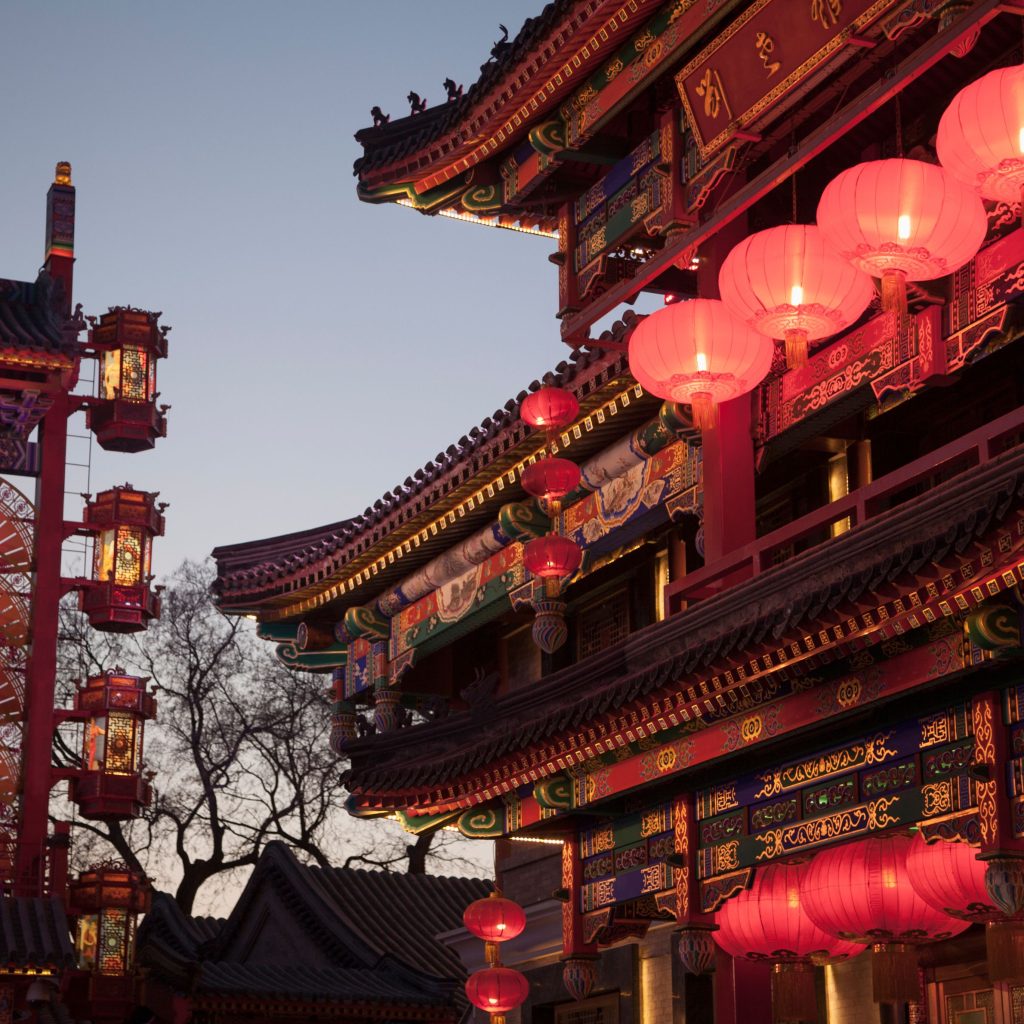
Teachers often fall in love with South Korea’s blend of tradition and innovation. Public transport is efficient, food is varied and delicious, and cultural experiences are everywhere — from palaces and temples to K‑pop concerts and bustling night markets.
Work culture in South Korea values respect, professionalism and dedication. Teachers are expected to be punctual, organised and engaged. This structure appeals to educators who appreciate clear expectations and a supportive environment.
Nature is also a major part of Korean life. Mountains, national parks and coastal areas are easily accessible, and many teachers spend weekends hiking, exploring nearby cities or enjoying Korea’s famous cafés and cultural districts.
South Korea is a top choice for TEFL teachers
Whether you dream of exploring Seoul’s neon streets, hiking through peaceful mountain trails or immersing yourself in Korean culture, teaching in South Korea opens the door to a life‑changing experience.